by progrock.com | Mar 9, 2018 | Prog Report
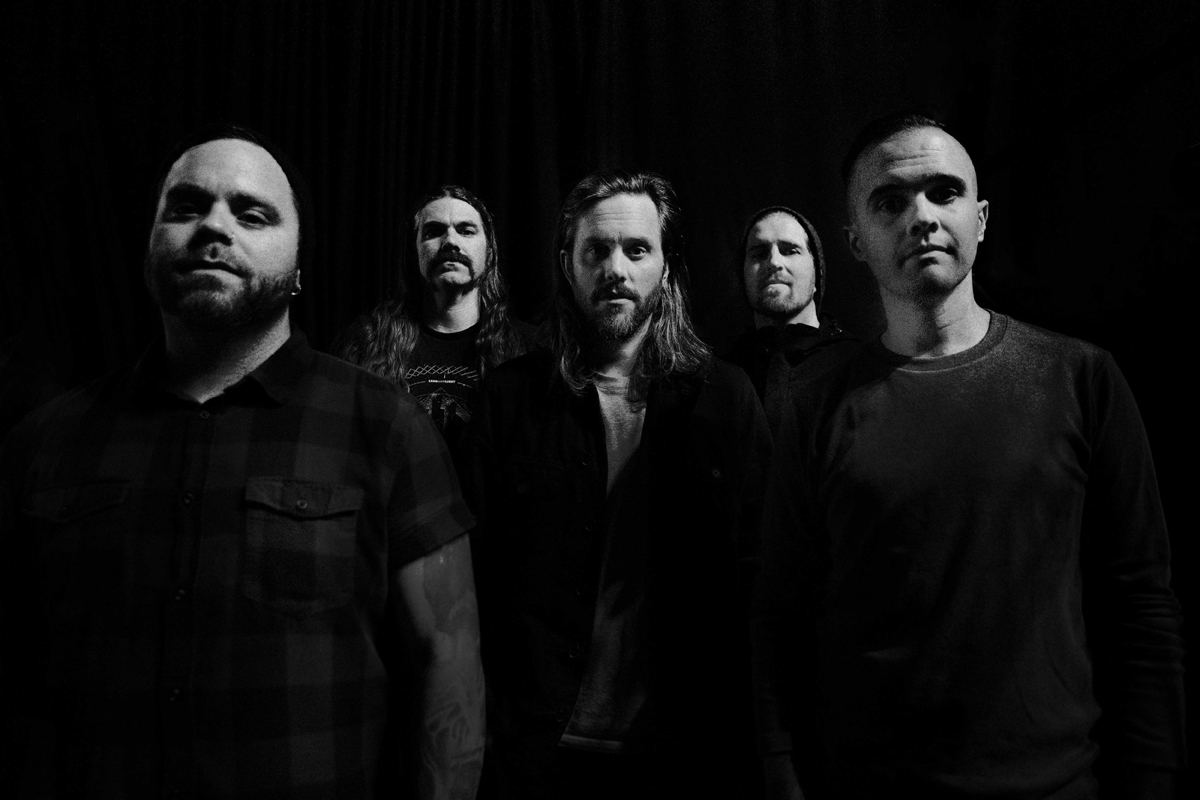
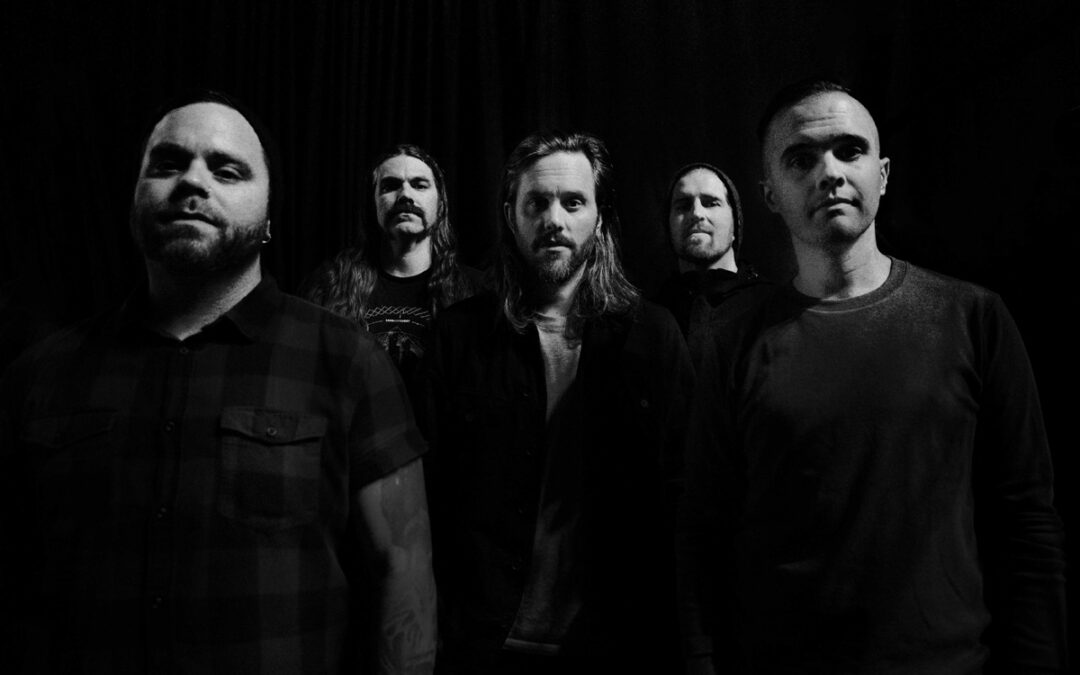
Between the Buried and Me are have just released their new album Automata Pt.1, the first in a two-part release. They are also currently on tour with Leprous and The Dear Hunter. Here we catch up with BTBAM singer Tommy Rogers on the new album and tour. For more info on the tour visit: http://www.betweentheburiedandme.com/
Where did the idea for this album to be split into two parts stem from?
Tommy: Well, we originally wrote it as one piece, as one album, and you know we wrote and recorded it as such. After it was all mixed, there was this part in the album that felt like great intermission and it just felt right. You know, it was something we were like let’s try it, let’s see. You know, let’s give people some incentive to check out the second half a little bit more. I think music comes and goes so quickly now and this way people don’t get everything they want at the moment they want and there’s some beauty in that. I personally love that we did that and I feel good about it. There’s quite a few reasons why we split it in two, but I guess those are the main ones and, as a fan, I mean you’re getting two different moments to get new music by us. Hopefully, it will kind of make the album stand out from their every day album that’s coming out week after week.
What can we expect from Part Two?
Tommy: Part two is very different, kind of takes a different turn, a little more theatrical, possibly more experimental. But it’s all very cohesive with part one. We wrote it all as one album and it all feels really great together and I think some of the best music is on part two. I’m really excited for people to start hearing that as well.
The band really went a different direction on Coma Ecliptic. Do you see this material as a continuation of that, or a bit of recapturing some of the more metal moments of earlier work.
Tommy: I think all our music is a continuation of what was before it. We’re in a place where we know we’ve been a band so long and we’re constantly writing every few years and because of that we’re growing up in different ways, as musicians, you know we’re writing differently, the way we write in terms changes . We’re not the kind of band that sits down and discusses what an album is going to sound like. We just kind of all start writing on our own and then once things start to take shape we start getting an idea of where the album is going. With this album there were some moments that were a little heavier but I wouldn’t say we were trying to recapture anything it’s just part of us you know. I think it was very natural coming out of Coma to write this stuff so you know we never know what the next one will sound like and so on and so on.
Where does the idea sound like Millions come from?
Tommy: It honestly was a very natural thing. And the moment we wrote it it was a great moment in the record for kind of a little downtime and it was based off a few riffs. I think Dan put the song together and yeah I think it’s cool to have songs like that on the album that creates dynamics and I think we’ve always been a band that had very drastic dynamics and I really enjoy that song.
How much has the songwriting process changed in the band since you formed?
Tommy: It’s very different since we formed, I mean in the old days it was mainly Paul and I just playing guitar and writing some songs. With this new lineup I think each album we kind of individually change how we write. I think we each probably have a different idea of how things have changed because we all are consciously kind of evolving how we write. Hopefully, I think we’re getting better and better writing songs. I think now more than in the past we care more about the song and the album as a whole rather than trying to prove something or create these songs where we’re trying to be groundbreaking or anything. For us now we’re just trying to write songs and we’ve always had that mindset but I feel like now we don’t put as much pressure on ourselves and we’re not trying to prove anything at all we’re just trying to be the best band we can be at this moment.
Band members often talk about how they don’t even listen to Metal outside the band. Is that still the case or if so what do you listen to?
Tommy: I listen to a lot of music. I still love metal and I listen to a lot of black metal. That’s always been kind of my vice. I don’t listen to much brutal death metal anymore like I used to. But I still don’t know. I still love metal, I love still of all the old Testament, Slayer, and all that shit. I go through my phases and yes sometimes I wanna listen to metal a lot, sometimes I don’t. It’s just kind of what you’re feeling at that moment and it’s like that with writing, sometimes I really want to write a lot of metal and sometimes I don’t at all.
How was the 10th anniversary tour for Colors? Was it what you expected?
Tommy: It was amazing. I had no expectations. I kind of always knew that people celebrated that album a lot and kind of held it is one of our pinnacle albums. But you know, you never know if people like it hopefully people will care, it was phenomenal night after night. The energy was so great. It was cool to have that much support from something we did so long ago. We are in a very lucky place to even have an opportunity to do something like that. So yeah I was very happy and the fans seemed to enjoy the tour.
The current tour is really diverse with the different. It just kicked off. How is it this far and how did that lineup come together? Have you been fans of these bands prior to the tour?
Tommy: Yeah it’s going great. It’s such a good lineup. I mean, it’s phenomenal bands. I’ve personally been fans of Dear Hunter for years. Leprous I honestly didn’t really hear much by them till we toured with them and Devin Townsend in Europe last year and they blew me away every night. I’m a huge fan, huge huge fan. And I just love what they do. It’s nice to have a package like this with different bands, really good bands and we like to mix it up. I think as fans of music it’s a cool tour. You know you’re not walking in every night and seeing a bunch of bands that sound the same. So I think it’s a good experience for everyone involved.
Thank you for the interview.
by progrock.com | Feb 28, 2018 | Reviews
by Prog Nick
Lightning never strikes twice in the same place, does it? Thirteen years ago a lightning bolt called Kino cracked the 2005 Prog-pop sky and scorched the earth, albeit briefly but as powerfully as a tornado. It struck only once. The album, called Picture was the result of an enigmatically short-lived collaboration between lightning master John Mitchell (It Bites, Frost*), John Beck (keyboardist for It Bites and Fish), Marillion bassist Pete Trewavas and Porcupine Tree stick-man Chris Maitland. The one-off line-up did not flatter to deceive – on the contrary, it was a sky-kicking statement of progressive-pop power, melody and innovation delivered by masters. Like a bolt of lightning, it hit a mark that had never quite been struck before – a unique sweet spot of Prog, pop, power and electrifying chops that defied any descriptor other, simply, than “Kino”.
Picture subsequently became a rarity and was finally re-mastered and re-released to a demanding public in 2017. This led to inevitable discussions about a belated sophomore album, and now, no less than thirteen years after the first album, the follow-up has been released. Has lightning struck twice in the same place?
Kino’s second album, Radio Voltaire again features Mitchell and Trewavas, and though Beck is ubiquitous throughout the album, this time he is somewhat mystifyingly listed as a ‘special guest’. Mitchell’s (much deservedly) current go-to drummer, Craig Blundell (Steven Wilson, Frost*) completes the line-up as a full member.
The album comprises mostly shorter songs, and therefore gives vent to Kino’s more accessible side. It might at first seem a little surprising that nothing quite as adventurous as the lengthy epic “Loser’s Day Parade” from Picture has been attempted, but that should not deter you, because the music on this album is as substantial and is filled with the unique Prog-pop proclivities that made Picture so beloved by so many.
If there is an ‘epic’ on the album, it is the opening and title track “Radio Voltaire”. This moving piece starts with 1920’s radio voice-over that gives way to one of the most majestic, soaring guitar riffs you will ever hear (Mitchell clearly intends to make an early statement with this) and the composition unfurls into a varied and melodic extravaganza filled with cinematic suspense, delayed gratification and ultimate grandeur. Blundell and Trewavas make their mighty presence felt early on – the combination of the former’s trademark bass sound and the latter’s expansive but always tasteful drumming make for a rhythm section unlike any other you have heard. Mitchell’s searing guitar-work is abundant, and Beck’s keys are as fastidious and rich as ever. But is it Kino? No-one would argue to the contrary – the solid pop hooks, Prog leanings, unusual progressions, grand arrangement and conceptual message (in this case promoting freedom of expression) that Picture led us to long for so many years ago, are all there. Lightning seems to be prepared to strike in similar territory again.
Second track ‘The Dead Club’, already released on the internet as a teaser, starts with recorded German comments from members of the public, invited by Mitchell on social media. A typical oriental-sounding Beck piano chop leads into the granite groove that is the song’s foundation. It is a menacing 7/8 arrangement built around an angular Mitchell guitar riff, always underscored by that massive Trewavas bass sound. (Mitchell rightly seizes the opportunity to exploit this whenever he can.) The song is a white-hot bolt of metallic fire that serves as a contemplation on the death that we call life. Somber and cynical, it is at the same time strangely uplifting in a macabre way. Beck’s lonely keyboard stabs in the middle lead into a towering synth solo, and the bridge is highly melodic, reminding us that Kino is still about the combination of titanic power and pop melody. The groove builds like a tornado, until the storm subsides on the inevitable repeated message ‘Welcome to the Dead Club.’ The song indeed confirms that this is Kino as we know and love it, with the same edgy Prog-pop mixture, only this time with a somewhat moribund message – Mitchell’s mood is darker than in 2005.
‘Idlewild’ starts with plaintive Beck piano intro that is true Kino, culminating in a magnificent guitar solo. The lyrics are particularly impressive: “Shooting vapour trails at the sun, there’s nothing to declare – this race is run.’ Beautiful, and with lyrics like these, very few voices other than Mitchell’s would extract this particular emotion. He may be a baritone, but there is an edgy sweetness to his voice that works perfectly with this material, and is given all the more contrast by the gravitas of Trewavas’ bass. This ballad is a gorgeous exposition of how melody, power, lyrical introspection and instrumental virtuosity can evoke true emotion.
Comprised of pure power-pop filled with harmonies and hooks, next song “I Don’t Know Why” could be a cross between the Beatles, Cheap Trick and Foreigner. Yes, this could be 70’s classic rock, but it is not – it is 2018 Kino, and the difference is in Mitchell’s voice and harmony arrangements – he is the lightning conductor on this one, and the result is cheeky, fun and enjoyable. Tongues firmly in their cheeks, Kino offer an unashamed exposition of their pop-rock roots here. The song is unavoidably derivative, but one feels this is precisely what the band intended, and the outcome is genuinely pleasing.
“I Won’t Break So Easily Any More” starts with another 1920’s radio voice-over that is broken by a keyboard part that sounds intentionally like The Who’s “Won’t Get Fooled Again’. But then the riff is taken to a completely new place. Power pervades as the band kicks into a frenzied, complex and varied rocker that is steeped in Prog mayhem. Beck’s keyboard solo (in accordance with the song’s theme) is invincible, and the guitar solo radiates with typical Mitchell spleandour. Unsurprisingly, the song could have been on “Picture”. Kino is definitely back, only this time with Craig Blundell, who wields the lightning rods that are his drumsticks like the god of thunder. This brilliant song extols the indomitable spirit that is Kino.
“Temple Tudor” is built around a beautiful baroque acoustic guitar/piano riff that will undoubtedly pull at your emotions. There is an incredible quality of longing in Mitchell’s voice when he is in a soulful mood. As powerful as his voice is when he is in full rocking flight, it is in the quieter pieces that the true nuance, quality and emotion of his much-underestimated vocal delivery truly become apparent. Lyrically, too, this man is not to be underrated: ‘What have we become? Nothing but sailors on a ship of fools’ – this song is simply gorgeous and hits a melodic and lyrical pinnacle.
‘Out of Time’ starts fittingly with the sound of a ticking alarm clock. Wake up, dear listener, because Kino is issuing a warning about inevitability and mortality. The song features a unique, sliding, slalom verse/chorus combination, delivered on a massive Trewavas/Blundell foundation that is reminiscent of no-one. A mid-tempo crack-in-the-sky rocker, this song allows the band the opportunity to experiment somewhat. For example, a complex, stabbing interlude shows that Kino is not at all inclined to forget its Prog responsibilities. The section gives way to a heart-wrenching slow jazz chord progression built around a tasteful Trewavas solo run that makes you wish it would never end. Blundell’s rim-shots, splashes, pings and pops show that his mastery of the kit is not just about speed and prowess – it is also about true musicality and taste. As proggy as it might be, this song’s chorus will, at the same time, take you back to the massive melodic pop hooks that entranced you every so often in the 1980’s. ‘Out of Time’ is another zenith on an already towering album.
‘Warmth of the Sun’ is a lazy, hazy vignette of less than 2 minutes that could easily have been discarded, but is somehow better left precisely where it is. No stormy weather here, but rather a little snippet of sunshine and heaven, just for you.
‘Grey Shapes on Concrete Fields’ is an interesting rocker built on Blundell’s patterns and power. He wields the lightning rod with full strike command on this one, and each bolt will electrify you. Fast and forceful, the song is at the same time quirky with some ghostly Beck keyboard sounds bringing up the rear. The drumming is simply incendiary. If ever a ‘lightning’ analogy was apposite, it is truly so in respect of Blundell, who has by now defeated all doubters and entrenched himself as the torch-bearer for the new generation of Prog drumming geniuses. Filled with lightning playing, emotive swells, powerful riffing and a definite peak and purpose, this cracker of a song will entrance any fan of “Picture”, and then some.
“Keep the Faith” may not be the high-point of innovation on the album (it is, in fact, a little dreary at the outset, and its composition does not approach the standard of the other songs), but it is not completely without moments of fulfillment, as it builds to an unusually subdued Mitchell harmony solo. The lyrics are also somewhat underwhelming (“This truth I give to you, it’s all that I can do…”) Built on a Beatles chord progression, this is the only unremarkable composition on the album.
Whatever the shortcomings of “Keep the Faith”, these are more than made up for in the brilliant closing track ”The Silent Fighter Pilot”. Mitchell has indicated that this might be his favourite track on the album, and it is easy to see why. A (possibly historical) description of the story of a fighter pilot giving his life, even the recognised kings of musical story-telling, Big Big Train, would be proud of this one. Using timelines to tell the story, Mitchell’s vocal commentary is angry, and his guitar is furious. The song channels an aviation-related tragedy of war, and it is just remarkable how the music reflects that morbid story. It levitates, glides and floats through the air, before swooping in resignation into an aerial instrumental strike. The frantic trajectory of Mitchell’s guitar solo leads to inescapable silent demise. The album ends with the mournful sound of a plane engine fading into the distance.
Thirteen years after the first album, one might think that Kino’s intention to recreate their trademark sound might have been lost and replaced with the usual desire to “do something new”. There is indeed an element of that approach, but only partially. Mitchell, ruling like Zeus with a lightning rod, has seemingly resisted the temptation just to provide his latest batch of songs to his talented friends and label them “Kino”. On the contrary, while this music is as fresh as a recently-struck daisy, the familiar innovation that fans would expect from Kino is not in the slightest way absent. Accessible and diverse compositions combined with virtuoso Prog delivery and a clear intent to ‘preserve the hook’ make this album a second lightning strike for Kino. This is not “Picture”, but the spirit of that album is far from lost. Mitchell’s knack for mixing Prog with pop melodies, without allowing the result to be too saccharine, remains. That spirit is preserved on this album, and the result is the Kino we so briefly came to love, with a sharper edge, a darker view, and a more progressive production.
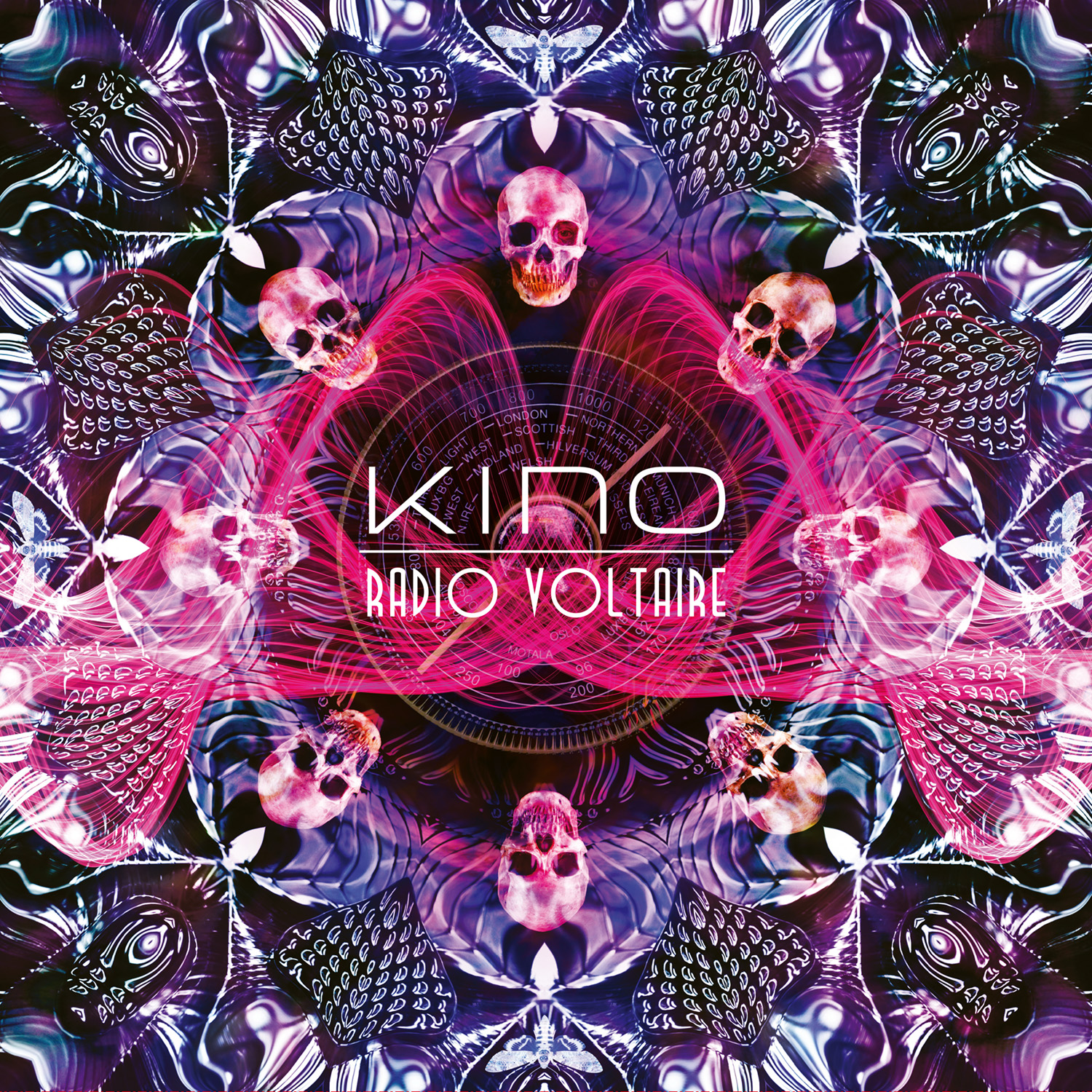
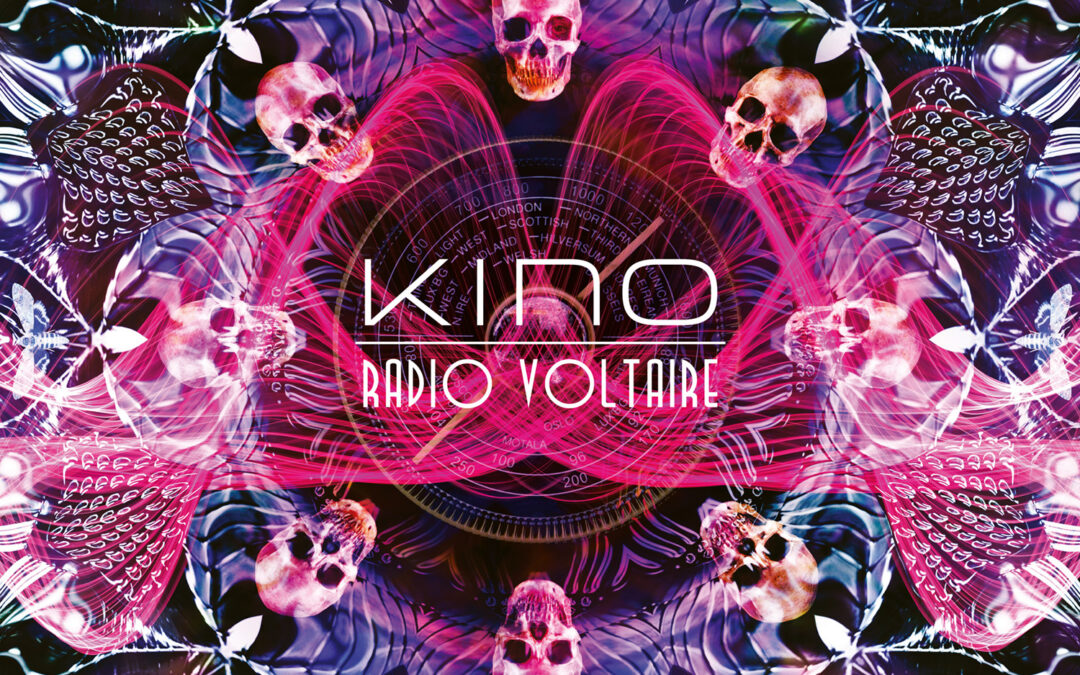
The cover of Radio Voltaire hints at its sonic contents, which are darker, a little more foreboding and somewhat more macabre (especially in the latter part of the album.) Paul Tippet’s skull-bearing design is nicely emblematic of the music.
The usual predictable comment may be made that you will like this band if you like Frost*, It Bites, Steven Wilson, Lonely Robot and Marillion. This may be true, but it is, quite frankly, not the point. The point is rather that these four superstars, under Mitchell’s rod, have created an album that fulfills the unique Prog-pop promise made by “Picture” and yet somehow permeates new territory within the genre. There may not be plans to tour just yet, but let us hope that the Kino lightning bolt somehow becomes a rolling storm this time around. This album is sky-splitting stuff.
Released on March 23rd, 2018 on InsideOut Music
Key Tracks: Radio Voltaire, Out of Time, Grey Shapes on Concrete Fields
Tracklisting:
1. Radio Voltaire (7:06)
2. The Dead Club (4:12)
3. Idlewild (6:03)
4. I Don’t Know Why (5:25)
5. I Won’t Break So Easily Any More (5:30)
6. Temple Tudor (4:32)
7. Out Of Time (6:22)
8. Warmth Of The Sun (1:50)
9. Grey Shapes On Concrete Fields (4:42)
10. Keep The Faith (5:38)
11. The Silent Fighter Pilot (4:50)
– Bonus tracks –
12. Temple Tudor (Piano Mix) (4:29)
13. The Dead Club (Berlin Headquarter Mix) (4:02)
14. Keep The Faith (Orchestral Mix) (5:34)
15. The Kino Funfair (1:00)
Line-Up
John Mitchell – vocals, guitars
Pete Trewavas – bass, synths
Craig Blundell – drums
Special guest:
John Beck – keyboards
by progrock.com | Feb 27, 2018 | Prog Report
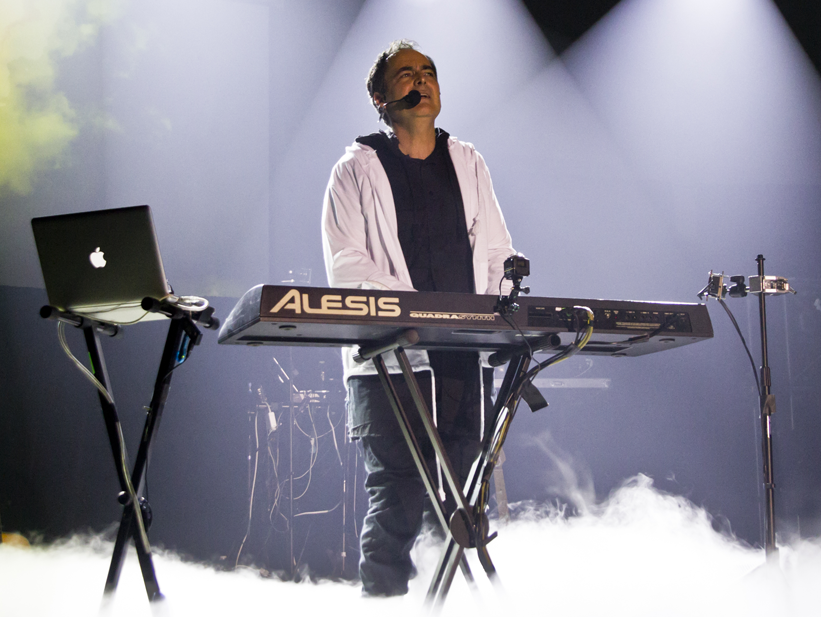
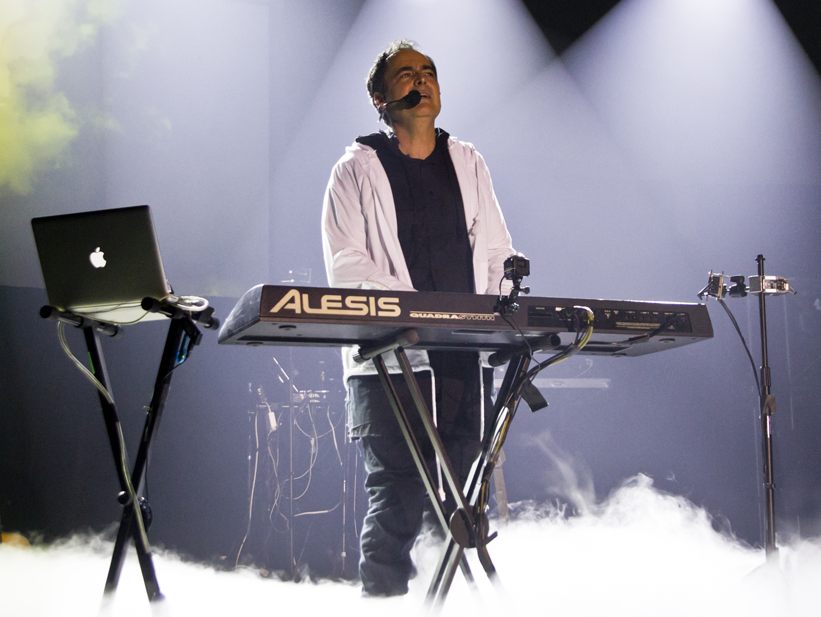
Neal Morse recently released his new solo album Life & Times, a collection of singer/songwriter tracks that are a far cry from his prog rock proficiency. While Morse is currently on tour supporting his new album, we thought we would make a list of his prog solo/band albums and rank them. Tell us what you think.
9. Lifeline (2008) – Neal Morse followed up a series of concept albums with this collection of songs, a combination of a few prog outings, a couple of ballads, and one long epic with “So Many Roads.” A solid album by any measure but perhaps not as strong as the rest of his discography.
8. Momentum (2012) – This album of non-conceptual songs found Morse in a more uplifting mood with songs like the rocking title track, the tongue in cheek “Freak” and the powerful closer “A World Without End.” The tour for the album marked the beginning of Eric Gillette and Bill Hubauer’s involvement with Morse, and eventually led to the Neal Morse Band.
7. Testimony (2003) – Morse’s first solo outing following his leaving Spock’s Beard was autobiographical, exploring his religious discovery. It was also the first time Portnoy joined in one of his solo albums. The album runs 2 discs, with some great moments, but he was just getting started on this solo career.
6. The Grand Experiment (2015) – The first album as the full Neal Morse Band injected new life into Morse’s solo career with great songs like “Waterfall,” “Alive Again,” and the brilliant “The Call,” one of his best songs to date.
5. “?” (2005) – This concise and shorter concept album finds Morse, Portnoy, and George really hitting on all strides. The album was building off of what the trio had built after the ‘One’ album with plenty of bombast and emotion.
Next Page